


Coffee Tables









Frequently Asked Questions
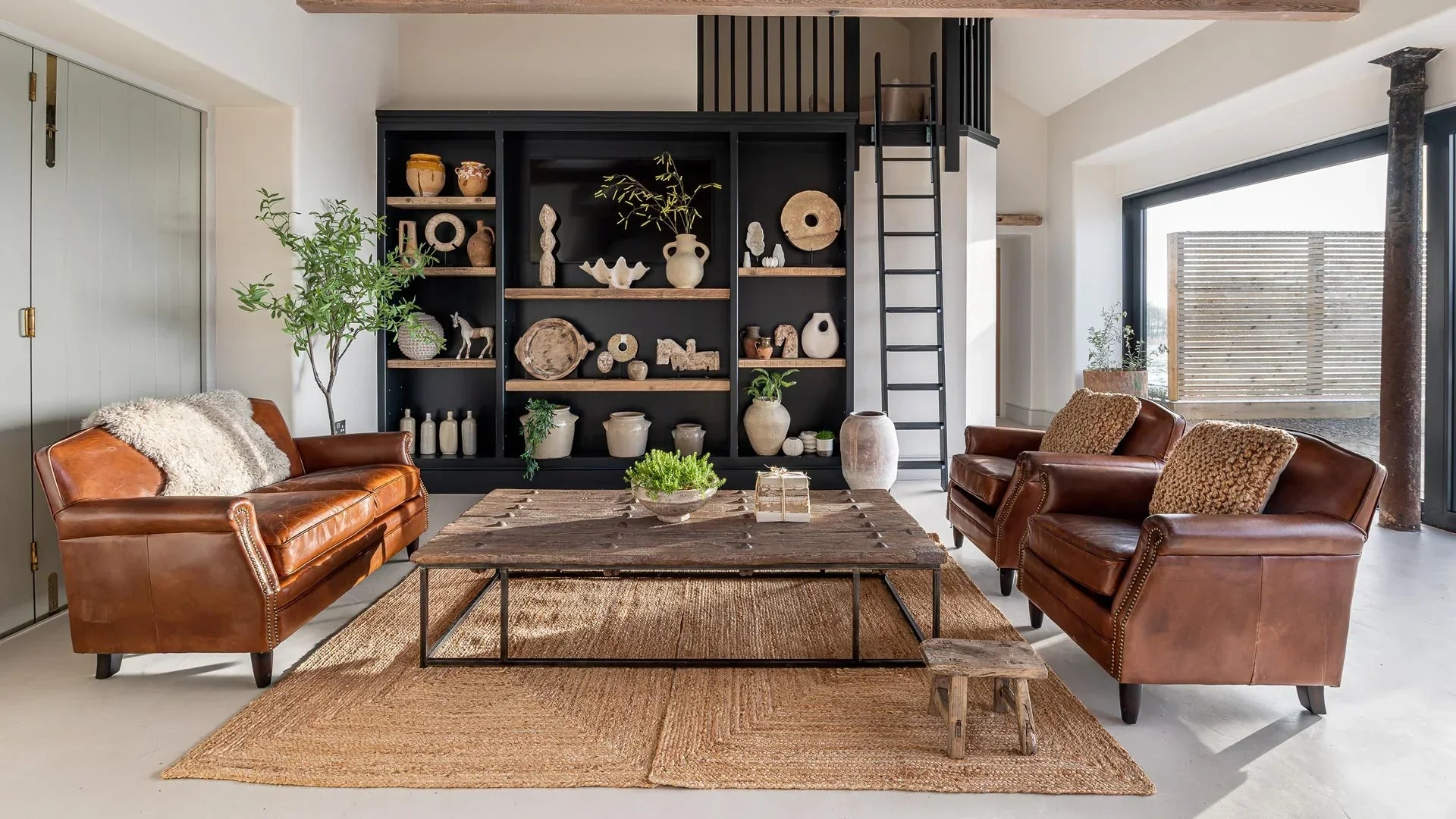
A coffee table should be roughly two-thirds the length of your sofa. So if your sofa measures 210cm, a table around 130-140cm long will feel proportionate without dominating the space. Leave at least 45cm between the table and the sofa front, so there is room to move comfortably and lean forward without stretching.
The standard height for a coffee table is between 40cm and 45cm, which aligns with the seat height of most sofas. Ideally, the table should sit within about 5cm of your sofa's seat cushion height. A table that sits noticeably higher than the seat looks awkward; one that sits too low becomes difficult to use.
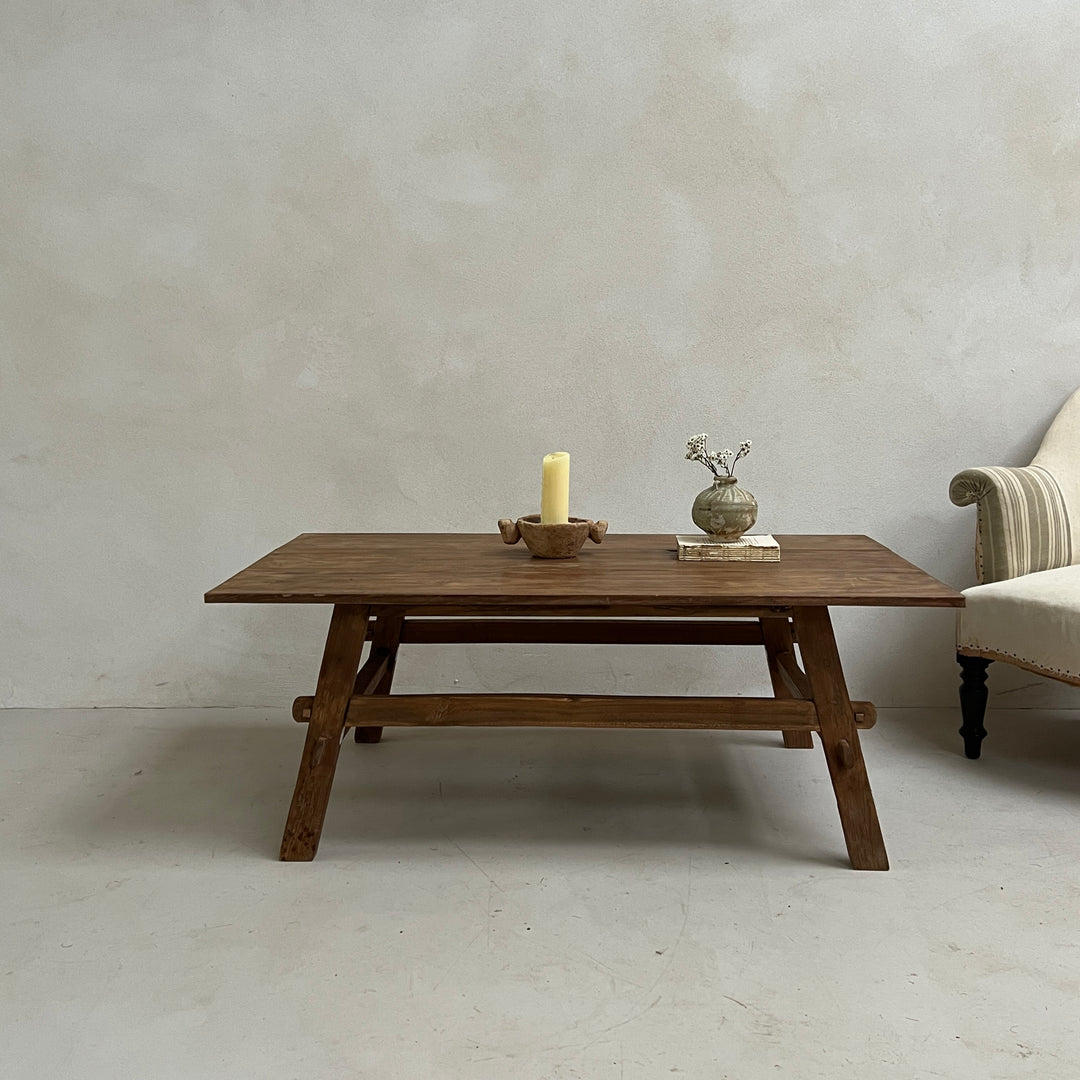
Shape follows the room's geometry and the seating arrangement around it. Rectangular tables suit longer sofas, larger rooms, and traditional or rustic interiors - and remain the most versatile choice for the majority of living rooms. Square tables work well with sectional sofas and symmetrical arrangements. Round or oval tables are particularly forgiving in tighter spaces, allowing easier movement and softening a room that might otherwise feel angular - and have no sharp corners, which makes them a practical choice for homes with young children. Irregular or organic shapes work as statement pieces in modern rustic or eclectic interiors.
Solid hardwood is the most durable choice. Oak, elm and pine are particularly resilient - dense enough to resist denting, stable enough to handle changes in temperature and humidity, and capable of lasting decades with basic care. Reclaimed hardwoods carry the added advantage of having already been tested by time, often arriving with a density and character that newly milled timber cannot replicate. For households with children or heavy daily use, solid or reclaimed wood is the most forgiving - scratches and marks tend to blend into the existing character of the surface rather than standing out.
Solid and reclaimed wood requires very little, which is part of its appeal. Wipe spills promptly with a dry or lightly damp cloth, and avoid leaving wet glasses directly on the surface - a coaster is always a sensible habit. A light application of beeswax or a good-quality furniture oil once or twice a year will nourish the wood and maintain its surface. Avoid placing solid wood tables in direct, prolonged sunlight or near radiators - extreme or sudden changes in heat and humidity can cause movement in the timber, particularly in older pieces.
For light surface scratches on a waxed or oiled finish, a small amount of matching furniture wax rubbed gently into the grain will often reduce their visibility. Watermarks can sometimes be lifted with a very light application of mayonnaise or a dedicated wood reviver, left for a few minutes and then wiped away. For deeper damage on antique or reclaimed pieces, a furniture restorer is worth consulting before attempting any significant repair.
Yes - and it is one of the most common mistakes in living room furniture. A table that extends beyond two-thirds of your sofa's length, or that leaves less than 35cm of clearance on any side, will disrupt the room's flow and make movement awkward. When in doubt, go slightly smaller and let the room breathe.