


Console Tables











Frequently Asked Questions
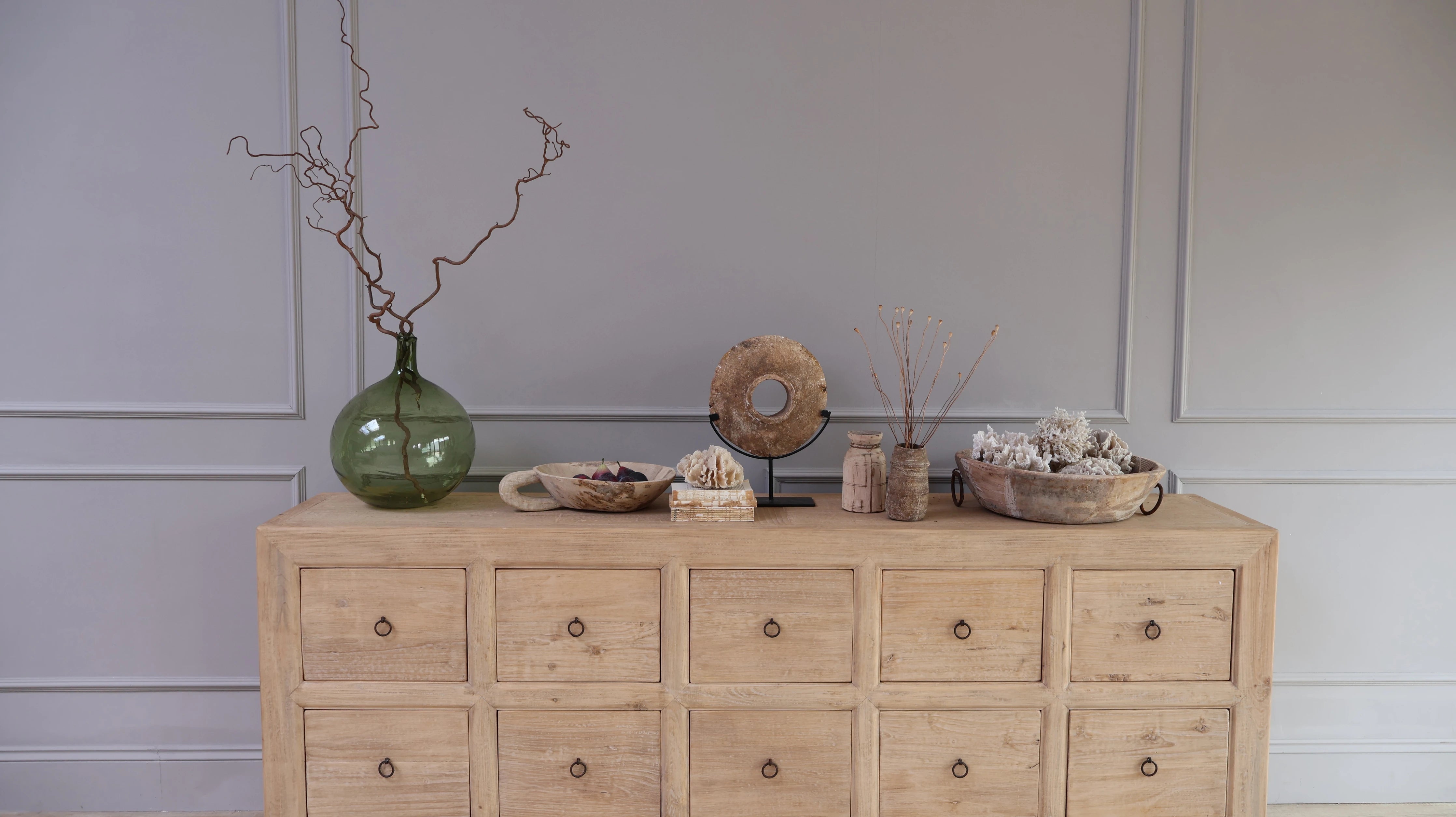
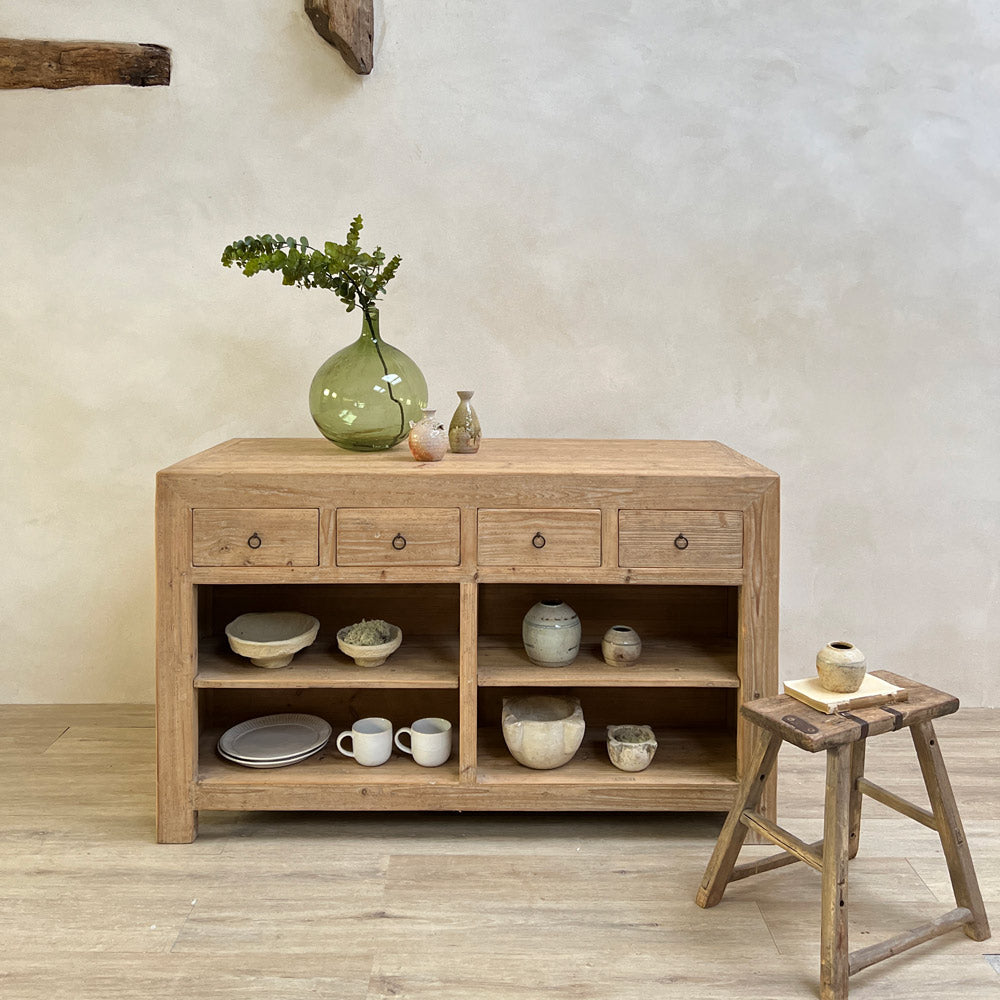
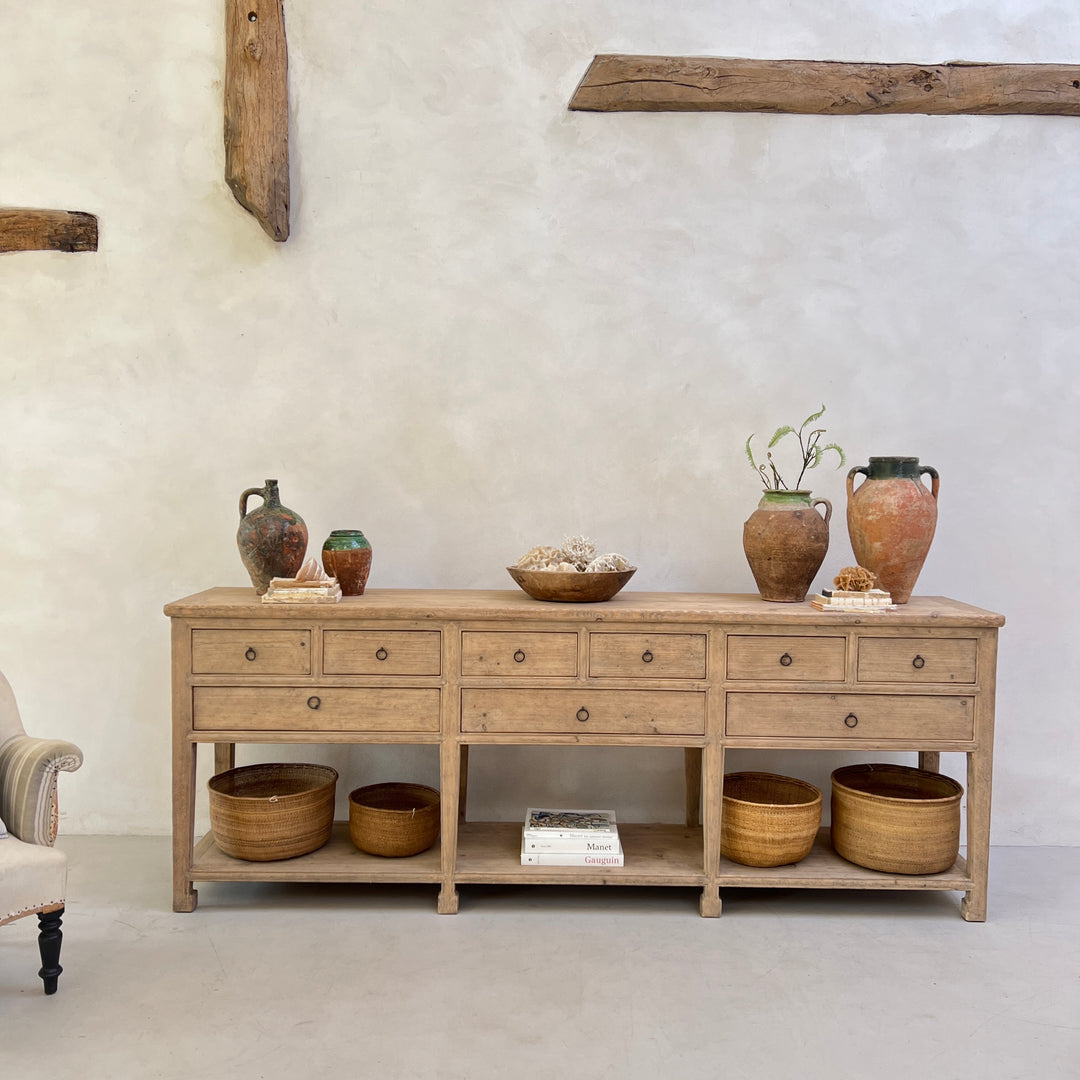
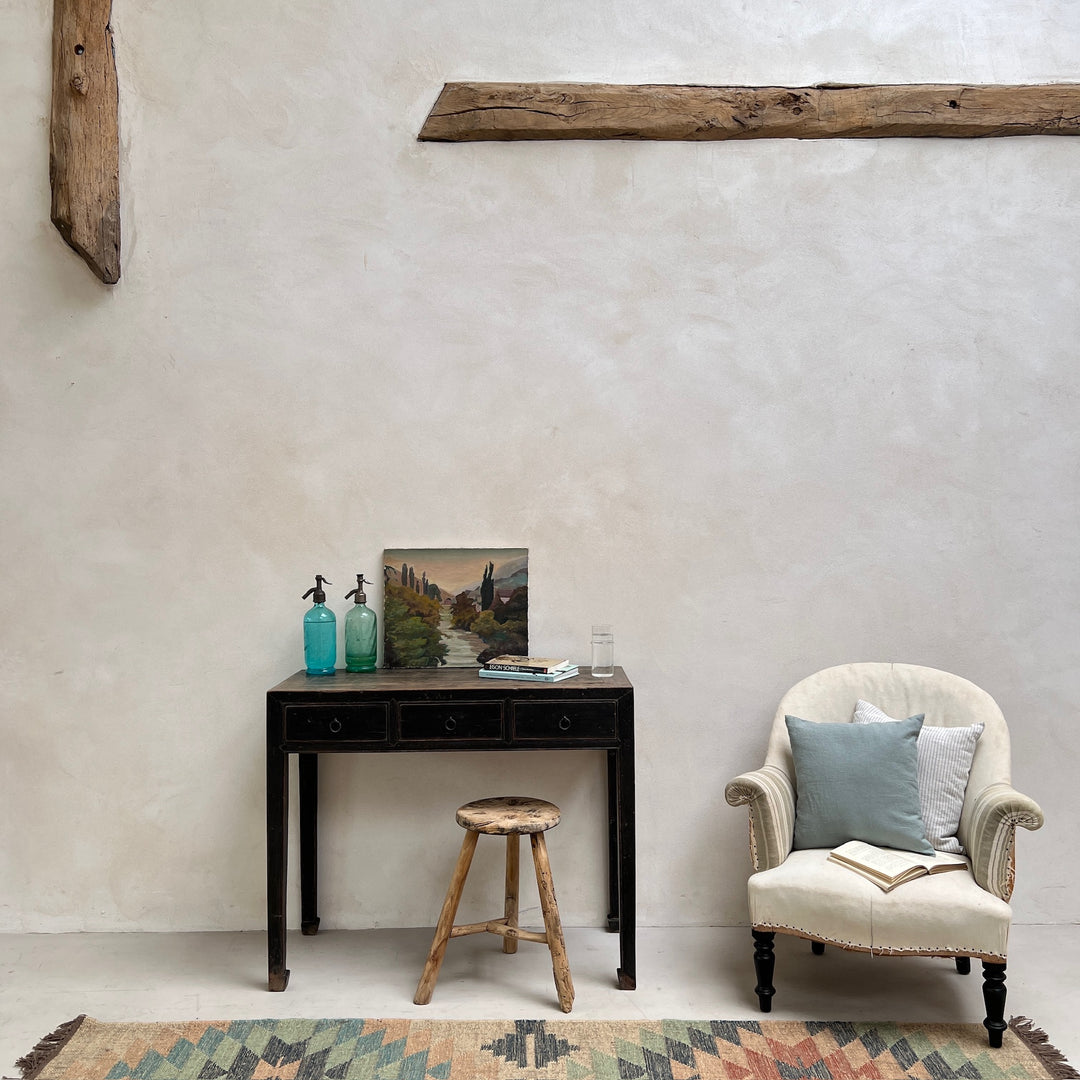
A console table is a wall-hugging surface designed to give a room both function and structure without taking up significant floor space. In a hallway, it becomes the landing point for everyday life - keys, post, a candle lit on your way through. In a living room, placed behind a sofa or against a blank wall, it creates a secondary surface for a lamp, books, or something decorative worth pausing over. The best console tables do something subtler too - they give a room a sense of intention, a signal that the space has been thought about rather than simply furnished.
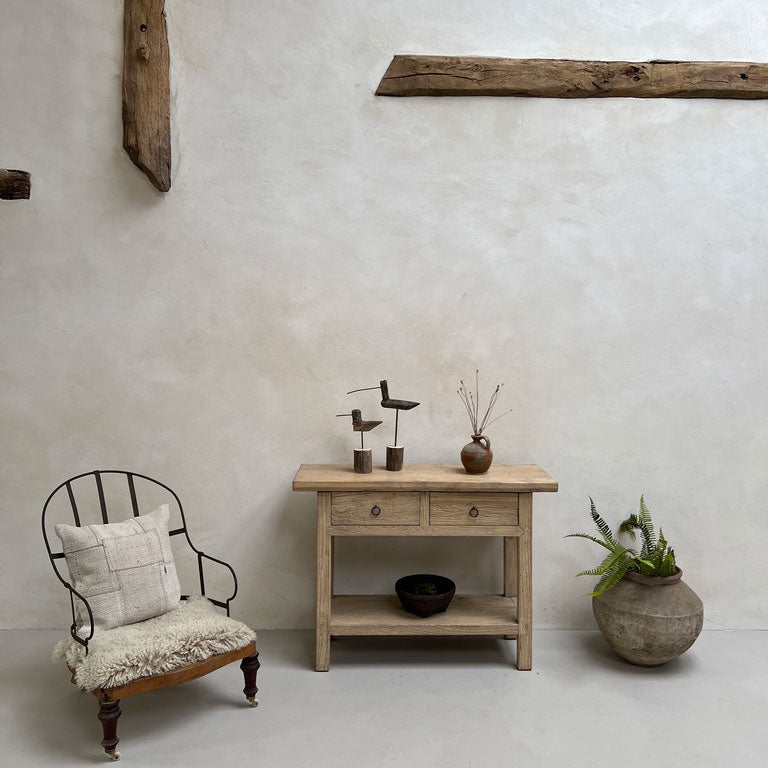
A good rule of thumb is to aim for roughly two thirds of the wall's width - this gives the piece room to breathe without dominating the space. Beyond width, height and depth are the two measurements that matter most in practice. Most console tables sit between 75cm and 90cm tall. In a hallway, matching the table to worktop height (around 90cm) tends to feel natural; behind a sofa, the table should ideally sit at the same height as the sofa back or just slightly below. Depth is particularly important in hallways - most consoles in our collection sit at around 30 to 45cm deep. At the narrower end, a table can sit comfortably in a corridor without interrupting movement. A practical check before buying: allow roughly 15 to 20cm of clearance between the table surface and the bottom of any mirror or artwork you plan to hang above it.
The most natural home for a console table is anywhere transitional - a hallway, a landing, the wall behind a sofa, or a corridor that needs some reason to pause. A console with a mirror above it in a hallway creates an immediate sense of arrival. Behind a sofa in an open-plan room, a console at sofa height creates a natural shelf for a lamp or trailing plant. Under a staircase, a slim console can make use of an awkward alcove without crowding it. Along a blank dining room wall, a larger console can double as a serving surface during gatherings. The key in any position is proportion - the table should feel settled in its spot, not squeezed in or floating.
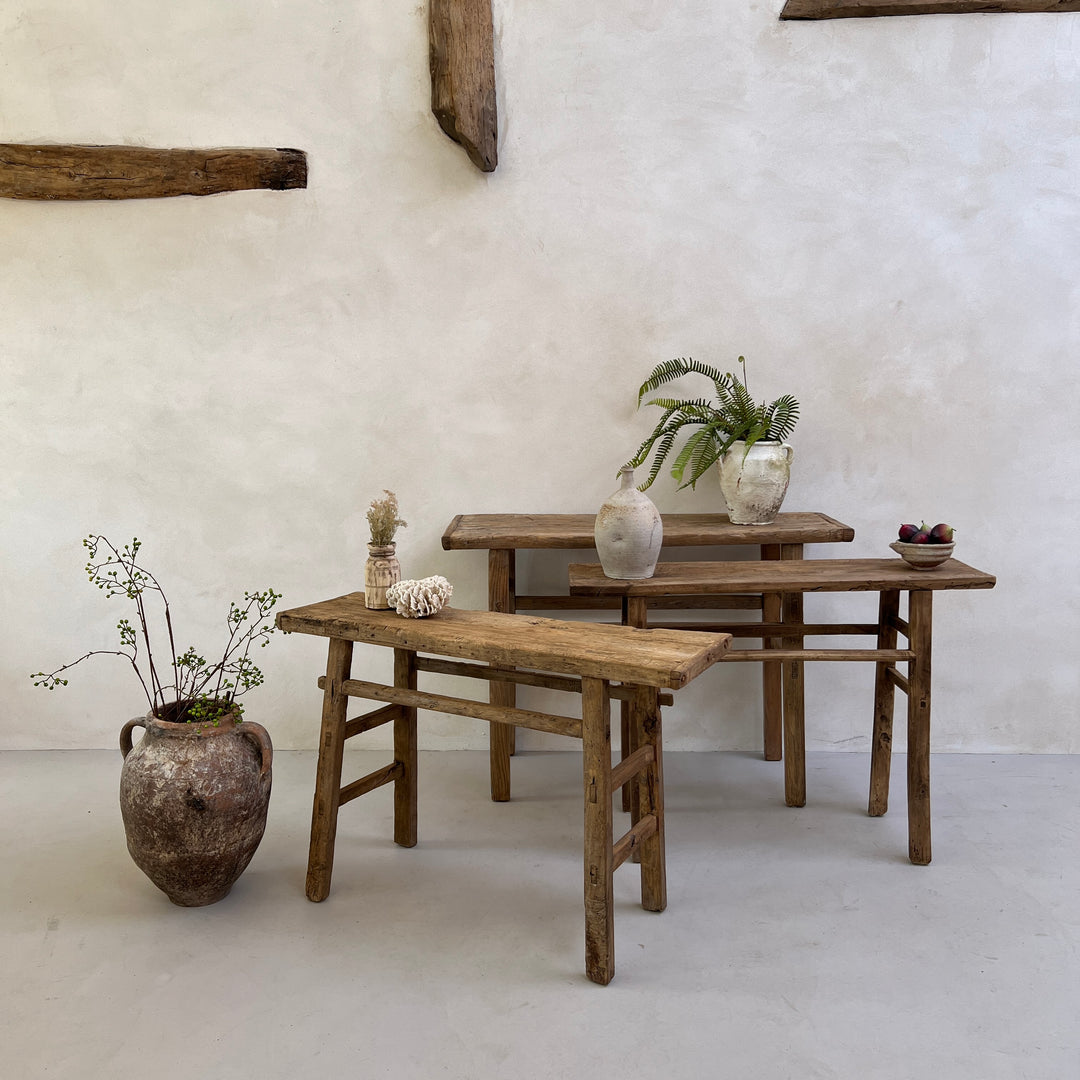
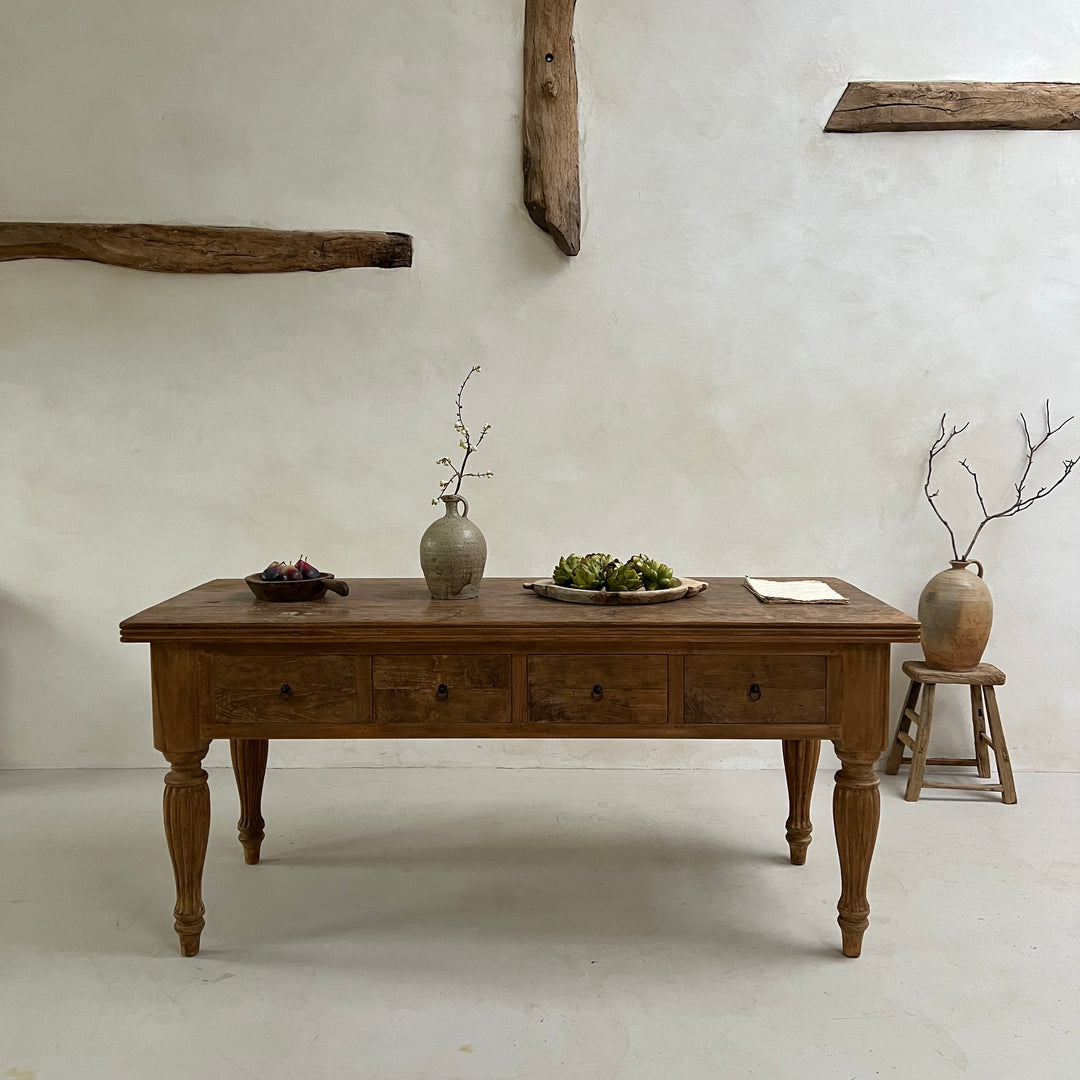
Keep the shape calm. A hallway is a space of movement, not lingering, and a console with a clean silhouette and simple legs tends to feel more settled than one with elaborate detailing. Consider the finish in relation to the light - darker woods add depth and warmth in lighter hallways, while in narrower or darker spaces, a lighter reclaimed wood or a piece with open legs can feel less heavy. Match the material to the home's character - period homes tend to suit antique and salvaged pieces, where the visible age of the wood feels at home rather than out of place. Rustic and reclaimed designs are especially forgiving in a hallway because they are built to absorb daily life without showing every mark.
For a hallway or high-traffic space, hardwoods are the strongest candidates - oak, elm, and walnut resist denting, age gracefully, and develop a surface quality over time that softwoods cannot replicate. Reclaimed oak is particularly well suited to antique pieces because it is one of the timbers most commonly salvaged from older buildings, meaning reclaimed oak consoles often carry genuine age and character. Elm has a distinctive swirling grain and works well as a statement piece. Walnut is darker and more refined, suited to contemporary or transitional interiors. Pine is lighter and more casual, well suited to informal settings. For antique pieces, the history of the timber - where it came from and what marks it carries - is part of what gives the piece its character.
Not always exactly, and that is by the nature of the material rather than a shortcoming of the photography. Antique and reclaimed wood is inherently variable - the grain shifts, the tone changes across the surface, and the way light falls on aged timber in a photograph will rarely be identical to how it reads in your home. What the photographs do capture accurately is the character and general palette of the piece - whether it reads as dark or light, warm or cool, heavily textured or relatively smooth. Screen calibration also varies - what reads as warm amber on one monitor may appear cooler on another. If you are trying to match a console to existing flooring or joinery, it is worth contacting the team with a photograph of your space before ordering.
Antique and reclaimed wood requires less intervention than most people expect. Dust regularly with a soft, dry cloth - avoid damp cloths on bare or waxed surfaces, as moisture can raise the grain over time. Apply a good quality furniture wax or oil once or twice a year, sparingly and buffed in - this feeds the wood and deepens its natural colour without dulling the grain. Beeswax-based products work well on most antique and reclaimed timbers. Use coasters and mats under anything damp or hot, and keep the piece away from direct heat sources - radiators and underfloor heating can cause older wood to dry out and crack. A consistent room temperature is the most protective environment.