


Sideboards











Frequently Asked Questions
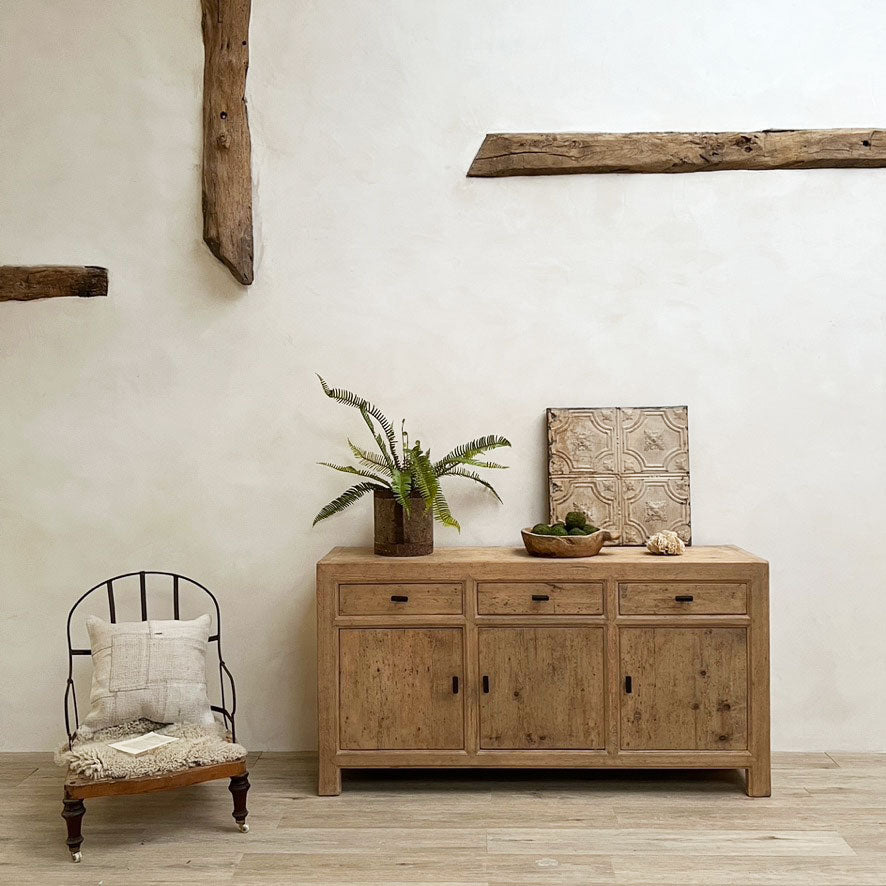
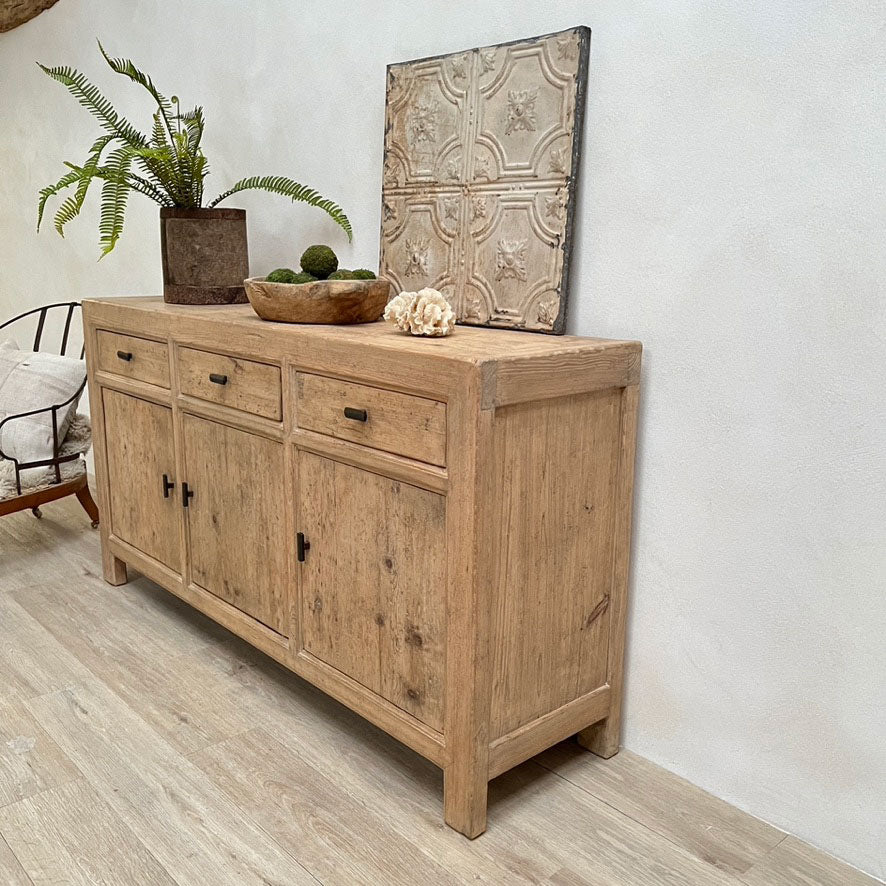
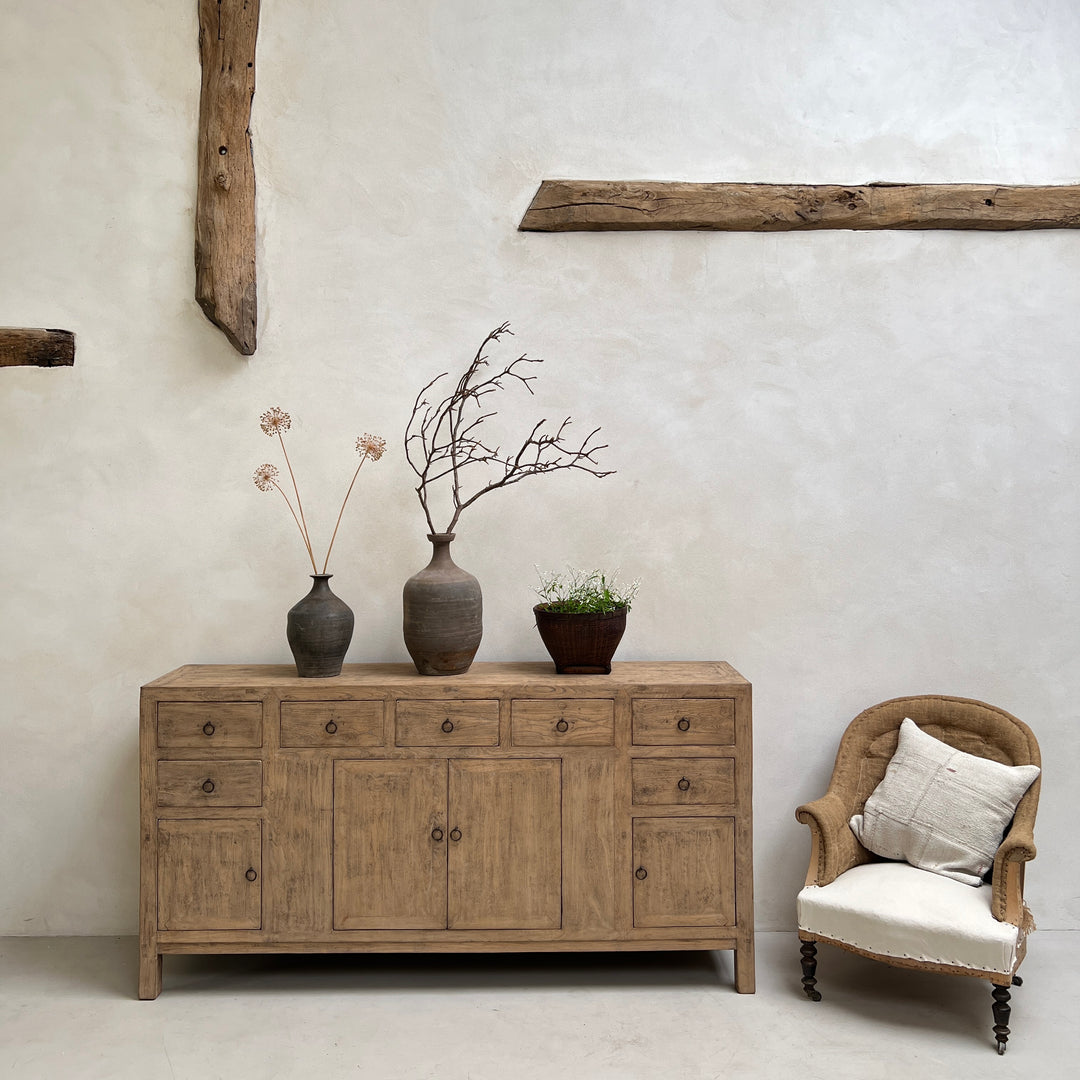
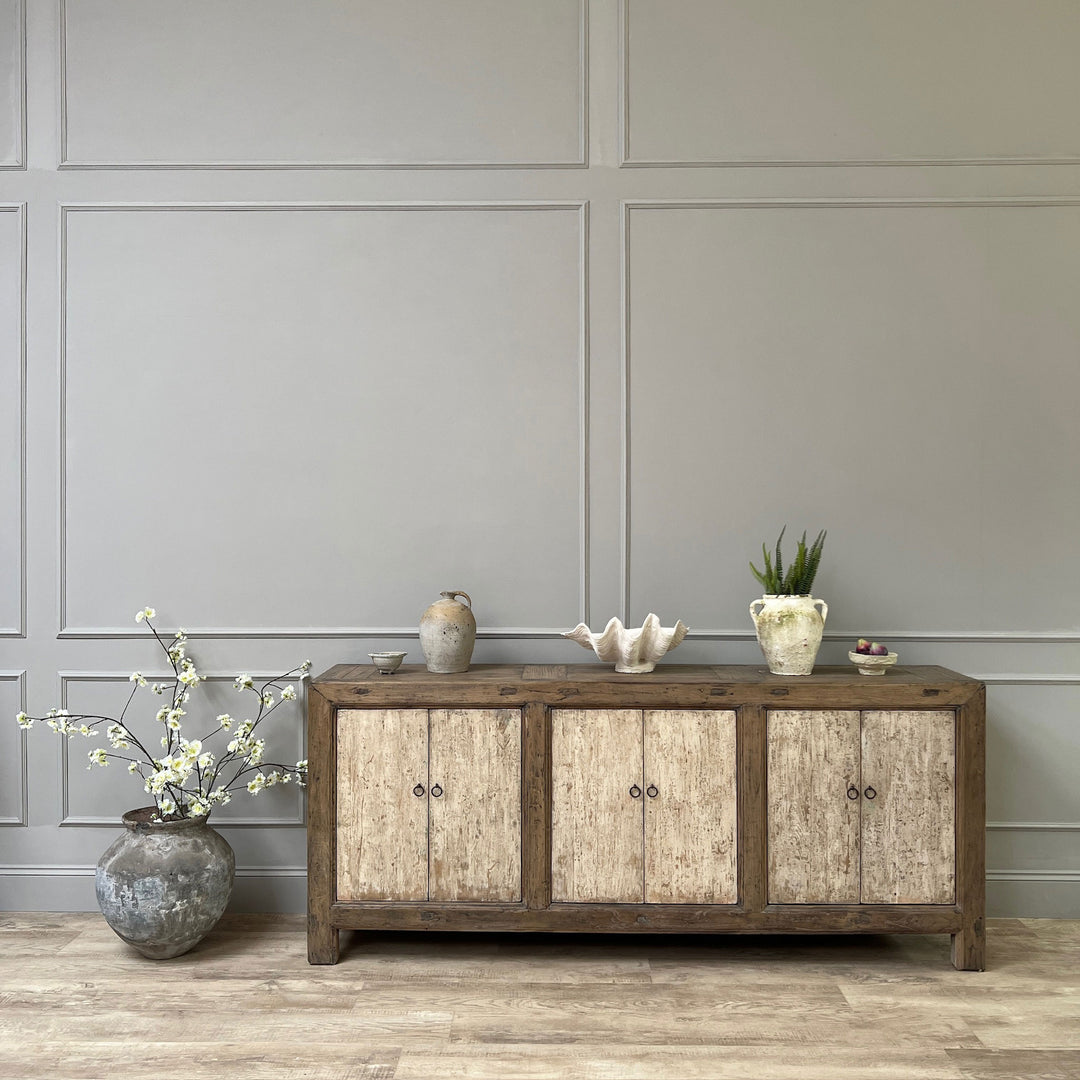
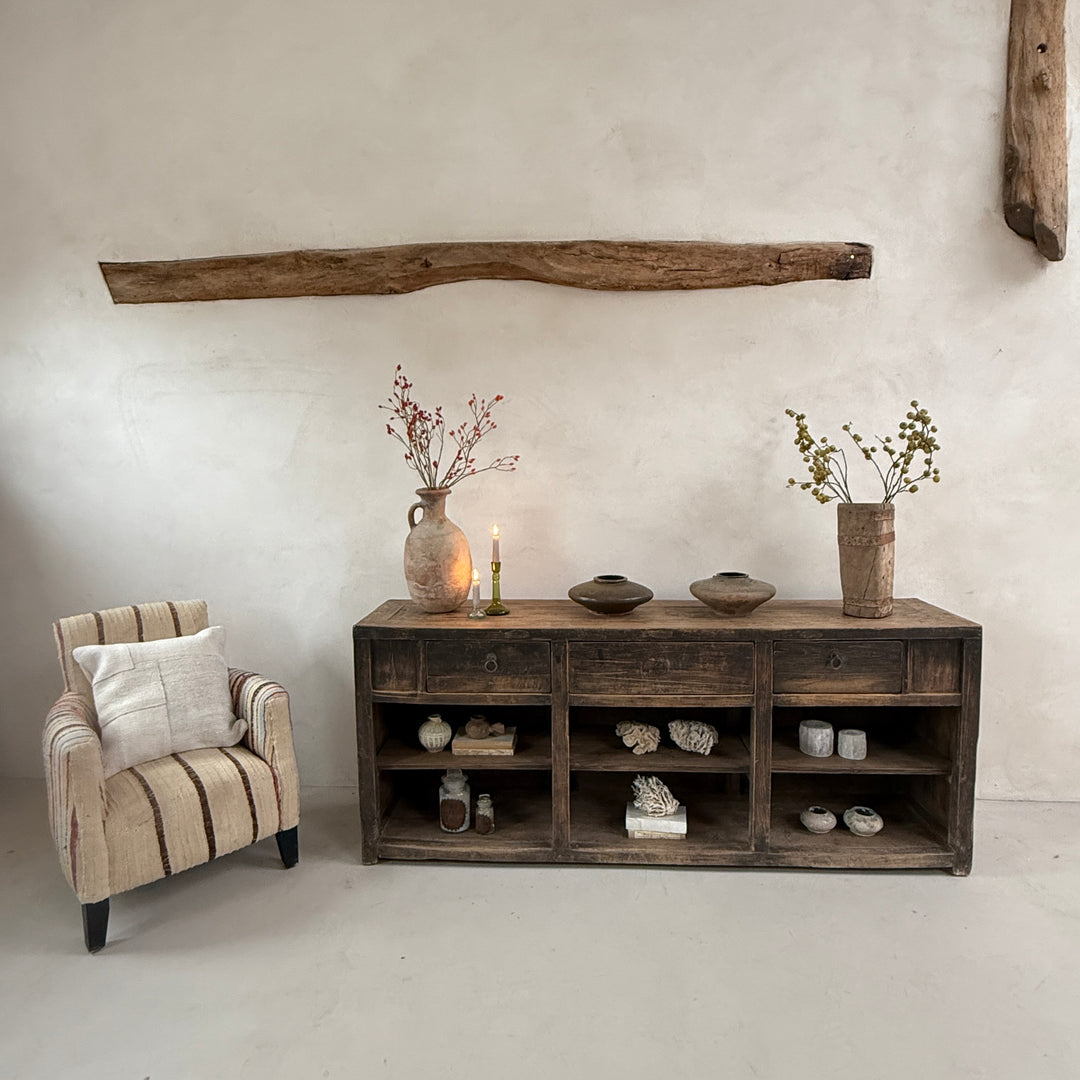
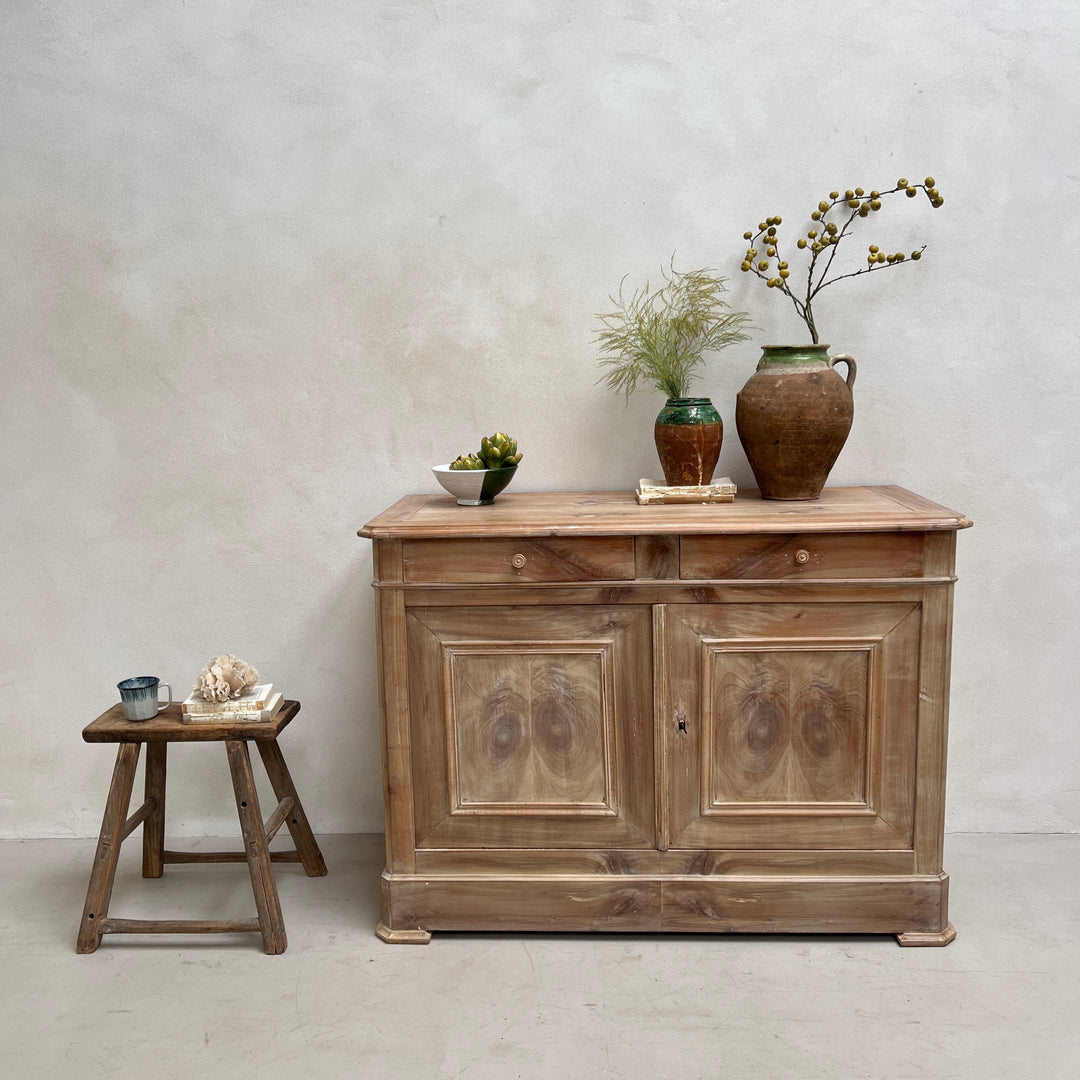
A sideboard is a long, low piece of storage furniture, typically placed against a wall in a dining room, living room or hallway. It's distinguished from a cupboard by its proportions - wider than it is tall, offering both closed storage below and a generous surface above for display or serving. Where a cupboard prioritises vertical containment, a sideboard is as much about what sits on top of it as what lives within it.
Proportion is everything - a sideboard too long for its wall will crowd a room, one too short will look adrift. As a general guide, aim for the sideboard to occupy roughly two-thirds of the wall it sits against. Before you browse, measure: wall width (accounting for doors and windows), at least 90cm of clearance in front for comfortable movement, ceiling height, and door and staircase dimensions for delivery. Our sideboards range from compact pieces around 120cm wide to statement pieces exceeding 200cm; full dimensions are on each listing.
Our sideboards span both antique pieces sourced across Europe - antique elm, pine and French country buffets - and newly made furniture handcrafted from solid reclaimed teak, oak and pine. English elm in particular is genuinely irreplaceable: Dutch elm disease devastated the population in the 1970s, so antique elm furniture can't be replicated with new timber. Reclaimed timber carries a similar logic - the density and stability of old-growth wood, seasoned over decades, isn't available in new material.
Yes - a sideboard at the right height positions the screen at or near eye level when seated, and the closed storage below handles cables, receivers and streaming devices. Check that the piece is deep enough for your equipment (most antique sideboards run 40-55cm deep) and that there's a route for cables through the back or sides; many of our pieces have natural gaps in the back panel from their original construction.
Not necessarily - a degree of contrast usually produces a more interesting result than a matched set. The more useful question is whether the two pieces are in conversation with each other: similar in spirit, complementary in tone, but not identical. An antique elm sideboard works well alongside a modern oak dining table; a reclaimed pine piece can sit comfortably with a painted or lacquered table if the proportions are right. What to avoid is a significant clash in scale or character. If buying both at once, bring the dimensions and a photo of the table when you visit; if the sideboard comes first, let the room build around it.
Almost always, yes - the key is contrast rather than match. An antique elm sideboard against a white plastered wall, or a reclaimed piece in a minimal, pared-back room, creates a layered interior that feels considered rather than assembled. What to avoid is pairing heavily ornate pieces with very busy rooms; our pieces tend toward the quietly sculptural - strong in form, restrained in decoration - which makes them unusually versatile.
Dust regularly with a soft, dry cloth, and use coasters and mats on the surface - heat and moisture are the main risks to the top.